Other Bikes about helmets standards, lifespans and how they are sold

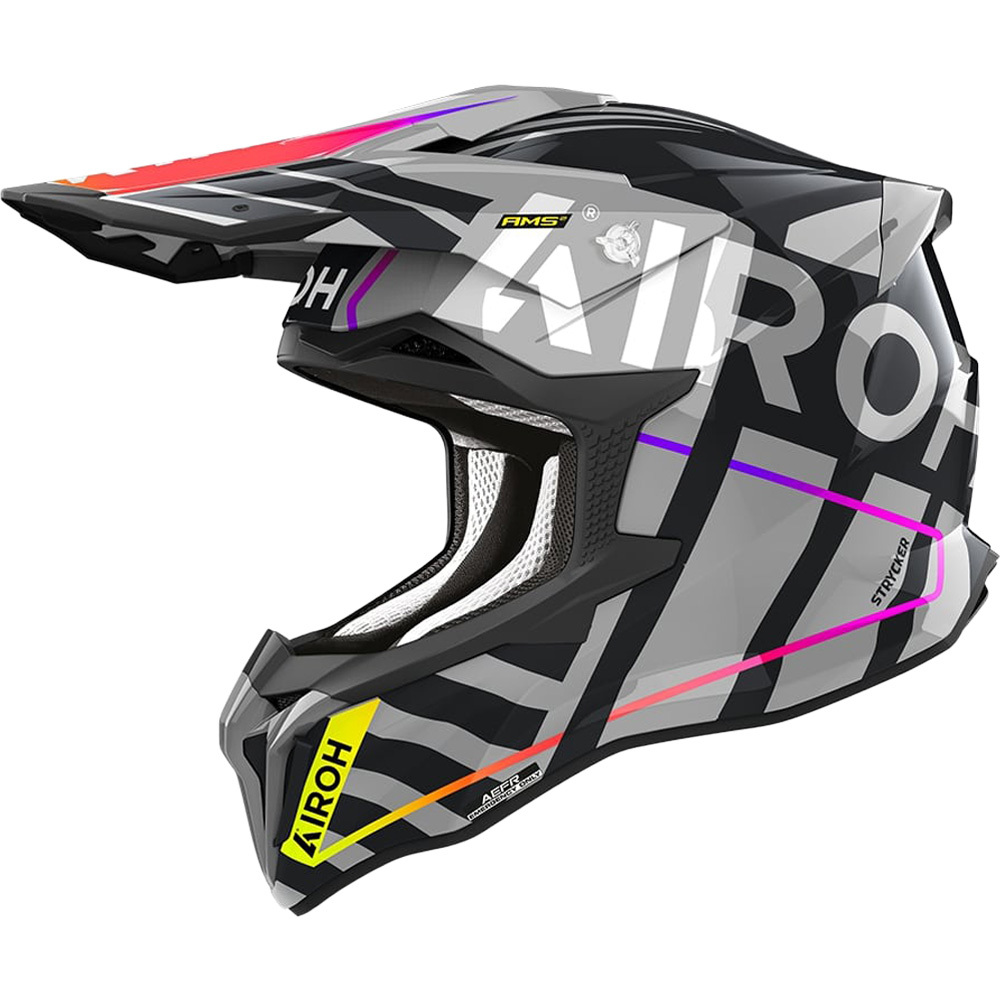
The pointed object part is mostly in the front area and aimed at road debris being shot at the rider. Think small rocks and such.

 
"For FIM Motocross, helmets need the new FRHPhe-02 certification, which builds on ECE 22-06 but adds stricter rotational/impact tests (like angled impacts) for competition, making ECE 22-06 a baseline for road use, while FIM racing demands the added FRHPhe-02 for mandatory use starting in 2026, although some are approved sooner. ECE 22-06 itself is a significant upgrade from 22-05, with multiple impact speeds, angled tests, and enhanced vision/retention checks, ensuring better overall safety."

Thank you for this, I had no idea about the existence of this FRHPhe-02 - 2023 standard! I'm also surprised that the AI I consulted about MX helmets didn't mention it. Following that link, I see that so far only expensive helmets are certified. I don't race but I've read our national Italian regulations for MX competition and they still allow ECE 05 for 2026.
Stuff like this can help us having a discussion with a sales assistant. "You see, I'm gonna race abroad and their regulations require... " Since, again, at least where I live it seems that to date they are free to sell you ECE 05 approved helmets and when they go to the warehouse behind the shop to fetch an helmet that matches the model, size and color you've chosen, they are free to pick the first compliant box even if the helmet iinside it was produced 6 years ago. If it's either FRHPhe-02 - 2023 or ECE 06 or both approved, it can't be too old.
 
8


Should Your First Helmet Be Snell Certified? // BBM
Snell and DOT helmetsboth use drop tests with instrumented headforms onto anvils, but Snellstandards are significantly stricter, requiring lower peak G-forces (around 275G vs. DOT's 400G limit) and testing multiple impact types (flat, hemispherical, etc.) and conditions (hot, cold, wet) for higher energy absorption, while DOT focuses on basic, real-world minimums for on-road use, with manufacturer self-certification and spot-checks. Snell's rigorous, third-party testing aims for greater protection, especially for high-speed or racing scenarios, exceeding basic street safety.
 
DOT has a very different approach to ECE. DOT has to withstand greater impacts, twice on the same specified spot... ECE focusses more on rotational impact.

It also depends on what you're doing on dirtbikes. If it's technical Enduro or tight sand tracks speeds are very low and little impact protection is needed.
If it's anything like out OTR Enduro season you will want a lott of impact protection. We do 100 km/h+ over sandy farmland. You'd be amazed by the crashed we see on those events.

DOT helmets are not really sold in Europe since they're not road legal.
 
I mostly just buy mid priced helmets and turn them over at least every 2 years .
Most expensive helmets your just paying for the fancy paint job.
I buy a new helmet at the beginning of every season use the old one for practise
and yes I make sure they are current (not old stock) and meet race regulations,
reviews can help also.
 
Thanks for reminding me too and theres nothing like eye candy when you are shopping
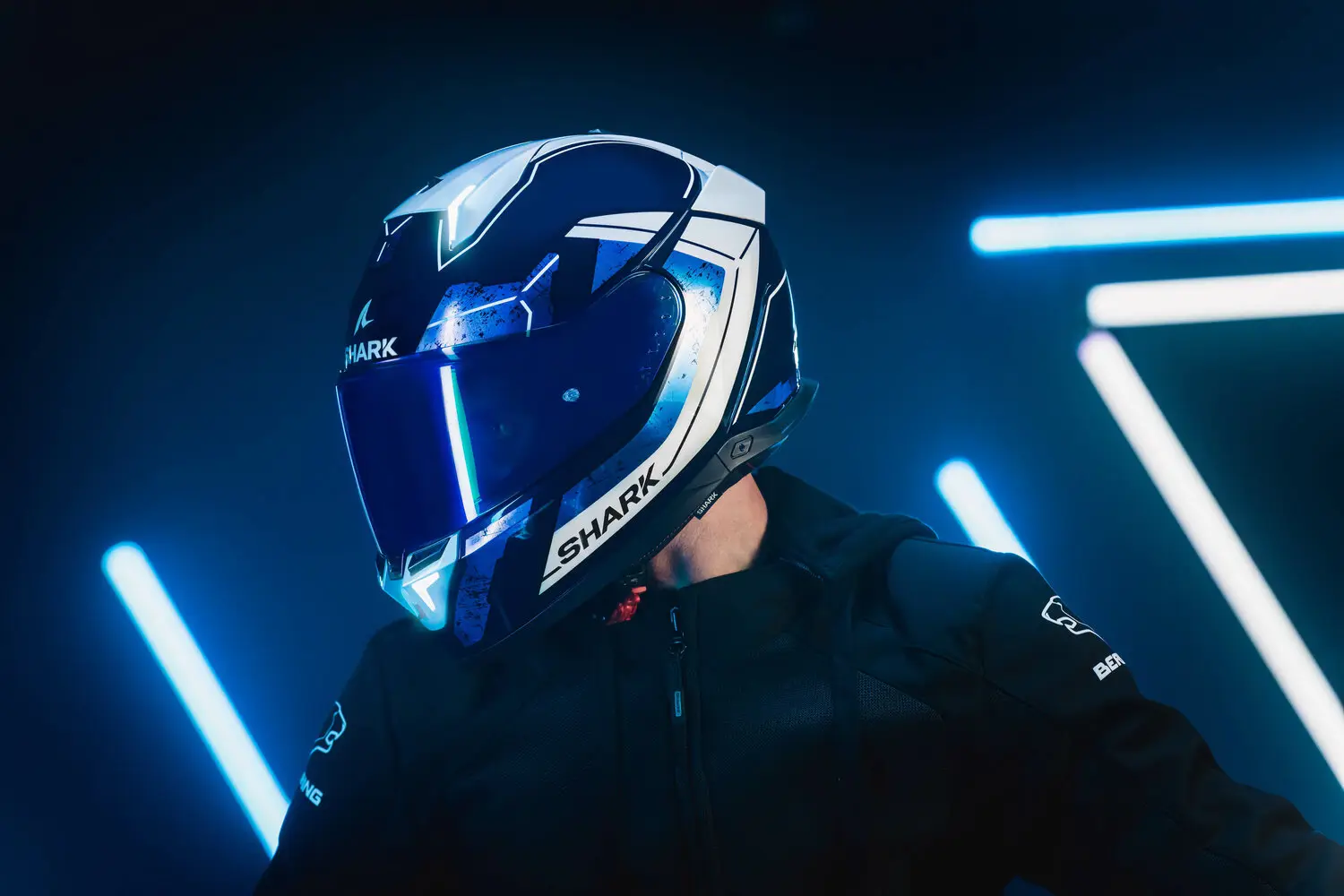
I have that helmet (multiple) and am very pleased with it. The MIPS like system works really well.
However i spend just under 200 euro for it on 24MX. Not in those fancy colours though.
 
Sorry Theo, maybe you're not geeky enough? 🤓

I always read tests and comparisons before I go shopping (online or brick and mortar). Then I'm already informed and focused on 2-3 products that seem to correspond to my needs.

I guess your post is a reminder that it's always good to catch up with helmet homologations before you go shopping. There should be an explainer on most serious online shops, here are 2 examples (french stores):


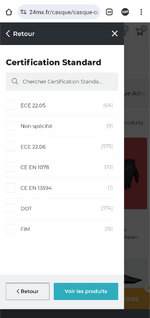
Also on most sites you can sort helmets by homologation, see 24MX for instance:
10885.png

For the reasons you cited, I try to buy in shops where I try the equipment if the difference with online pricing is reasonable (obviously if I can spare hundreds of euros I go online).
It's perfectly reasonable to try your helmet before you buy it and then you have all the time you need to check homologation and the fine print on the strap.

Sorry if that appears patronizing, that's certainly not my intention, just sharing my experience and providing some links 😉
 
Surely nowadays we as consumers can be informed easily, but the problem is that I personally believe -and it sounds objectively reasonable to me- that a helmet should be tried, so I don't buy them online and this makes things more difficult. At least in Italy helmets can be sold even if years old. So, even if you try a helmet in a shop and read the production date -that sometimes is hidden behind the liner- when the shop assistant will go get a box containing a matching helmet for model, size and color he/she doesn't have to check that the helmet is too old. Now, Arai, a very reputable helmet manufacturer, syas that the EPS in the helmets will degrade and they say it's better to replace the helmet after 7 years from production date regardless of the purchase date. So honestly it does seem to me that there is indeed a problem when buying helmets; it's like you buy some milk and you don't know the expiry date until you get home. Surely shops wouldn't be cooperative if costumers started demanding new helmets because with such a trend they would have old helmets left over and never sold.
 
Back
Top