Stark Battery Tech Thread

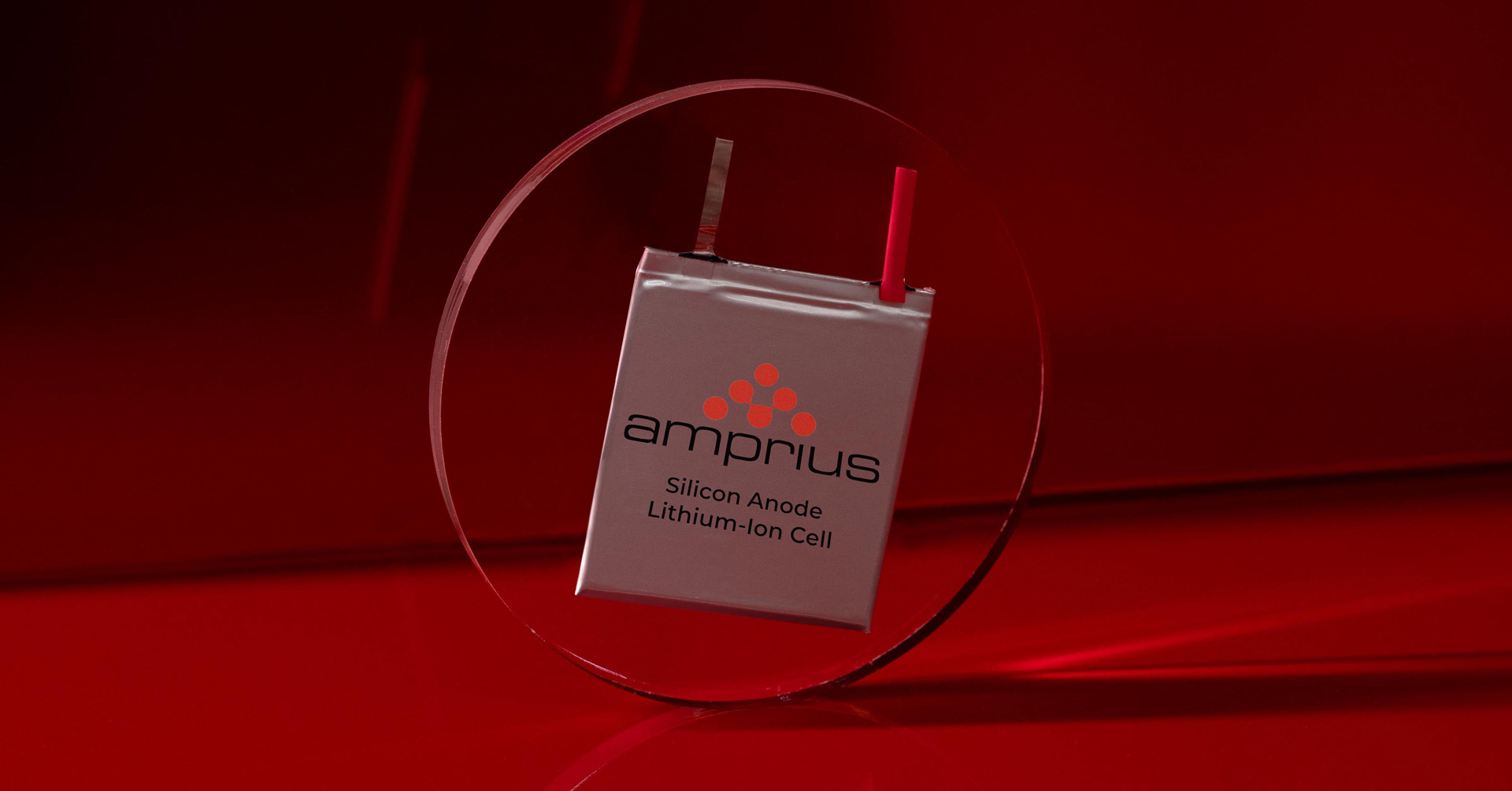
It appears donut lab is using Nordic nanos battery tech on a pilot line in a facility they are working on bringing to higher capacities. Not entirely sure but it seems like their solid state battery may actually be a super capacitor which makes me wonder if the donut battery is a mixed super cap/traditional lithium pack. The extreme cycle count would make sense if it was a super cap. It will be interesting to see some independent validations performed
The super cap idea has been speculated across the industry. If it meets specifications they claim, I suppose the distinction between a cap and battery may end up being semantics?
 
It appears donut lab is using Nordic nanos battery tech on a pilot line in a facility they are working on bringing to higher capacities. Not entirely sure but it seems like their solid state battery may actually be a super capacitor which makes me wonder if the donut battery is a mixed super cap/traditional lithium pack. The extreme cycle count would make sense if it was a super cap. It will be interesting to see some independent validations performed
Great catch 👍


It was quite obvious this "new battery" didn't come from Donut lab the thing is that Nordic Nano is just another startup. They're getting their first factory running and aim to start production of solar thin films and battery cells sometime in 2026.
Hard to believe they can beat the leading Chinese battery manufacturers with thousands of scientists on the payroll... wait and see.
 
Mass in anything brings mass inertia. Big companies have the mass to invest, but have struggle to get things done fast.

Small companies are often way more capable of getting stuff done, but lack the capability to scale up. Also 1 poor decision can run such company to the ground.

That's why often small companies do the development that big companies buy. We've seen the same with ASML. It was part of Philips wich got too big and slow to get things done, they spun off ASML.

The company i work at is the same. We have huge resources, but struggle to get the most simple things done quickly. Having a wall socket moved can take weeks for example. I also worked on a smaller company where i did that between lunchbreak.
 
Mass in anything brings mass inertia. Big companies have the mass to invest, but have struggle to get things done fast.

Small companies are often way more capable of getting stuff done, but lack the capability to scale up. Also 1 poor decision can run such company to the ground.

That's why often small companies do the development that big companies buy. We've seen the same with ASML. It was part of Philips wich got too big and slow to get things done, they spun off ASML.

The company i work at is the same. We have huge resources, but struggle to get the most simple things done quickly. Having a wall socket moved can take weeks for example. I also worked on a smaller company where i did that between lunchbreak.
I like your example but to me it's more akin to a startup eating the lunch of ASML and its +40k employees 😉

I'll say it's quite unlikely to see a startup beat them to market in their core R&D interests.
 
True, but the time and proof of concept that propelled ASMR was done by a small group of people. Only after that scale hit. They had the "luck" to get huge investors behind them.

It was a startup that got supplied the big R&D money by companies like Intel, not those companies, that got the chip industry to where we are.
That start-up now is a powerhouse offcourse that will probably be too late on the next big thing or invest in/buy the start-up behind that.
 
I like your example but to me it's more akin to a startup eating the lunch of ASML and its +40k employees 😉

I'll say it's quite unlikely to see a startup beat them to market in their core R&D interests.
Usually here in the US the "core R&D" is the problem. The old cow giving reliable milk is easier for a slew of bureaucrats to understand than some new idea that will cost more money and potentially fail and also erodes into the slimming margins of the core as the cow ages and faces others with the same old cow.

Pretty much in the US almost all new ideas and industry come the outside the bureaucracy. Just think we had giants like IBM and Digital Equipment which together up until the late 80s owned all of the computer industry HW and SW. Most of their businesses were eroded by faster moving smaller startup players.

Just look at Intel those bumblecrats used to laugh and snicker at Arm and TSMC now they want welfare. ASML has high costs, Asian players will be looking to erode their share through cost reductions guaranteed.

That said I am wait and see on the Donut stuff. One cold fusion scam per generation is enough.
 
In 2024 Nordic Nano was seeking 20m funding to build its pilot line. Shortly after donut labs invested in them for an undisclosed amount of money. Based on what I was able to find they are in the process of now building a full scale production line based off the learnings of the pilot line. My assumption is the pilot line has enough capacity to build the cells for the ~700 bikes verge is planning to build this year. If it’s a super cap really how long it can hold charge will be a pretty important factor in comparison to a traditional battery. If they can hold charge for a long time it would be a huge step forward there, on par with the claims for the battery. So either way it’s somewhat hard to believe. The most believable scenario I can see is a mixed pack or over inflated claims. That said I would love if they truly had a battery with the specs they claim.
 
Up to the moment I read @Matt's comments, I didn't even know that supercapacitors existed: I knew about capacitors and batteries and I knew that capacitors have a far higher power density while batteries have a way higher energy density.
From what I've quickly read this evening (it's night here now), both power and energy density are a compromise in supercapacitors, so 400 Wh/kg shouldn't be achievable using them.
 
Up to the moment I read @Matt's comments, I didn't even know that supercapacitors existed: I knew about capacitors and batteries and I knew that capacitors have a far higher power density while batteries have a way higher energy density.
From what I've quickly read this evening (it's night here now), both power and energy density are a compromise in supercapacitors, so 400 Wh/kg shouldn't be achievable using them.
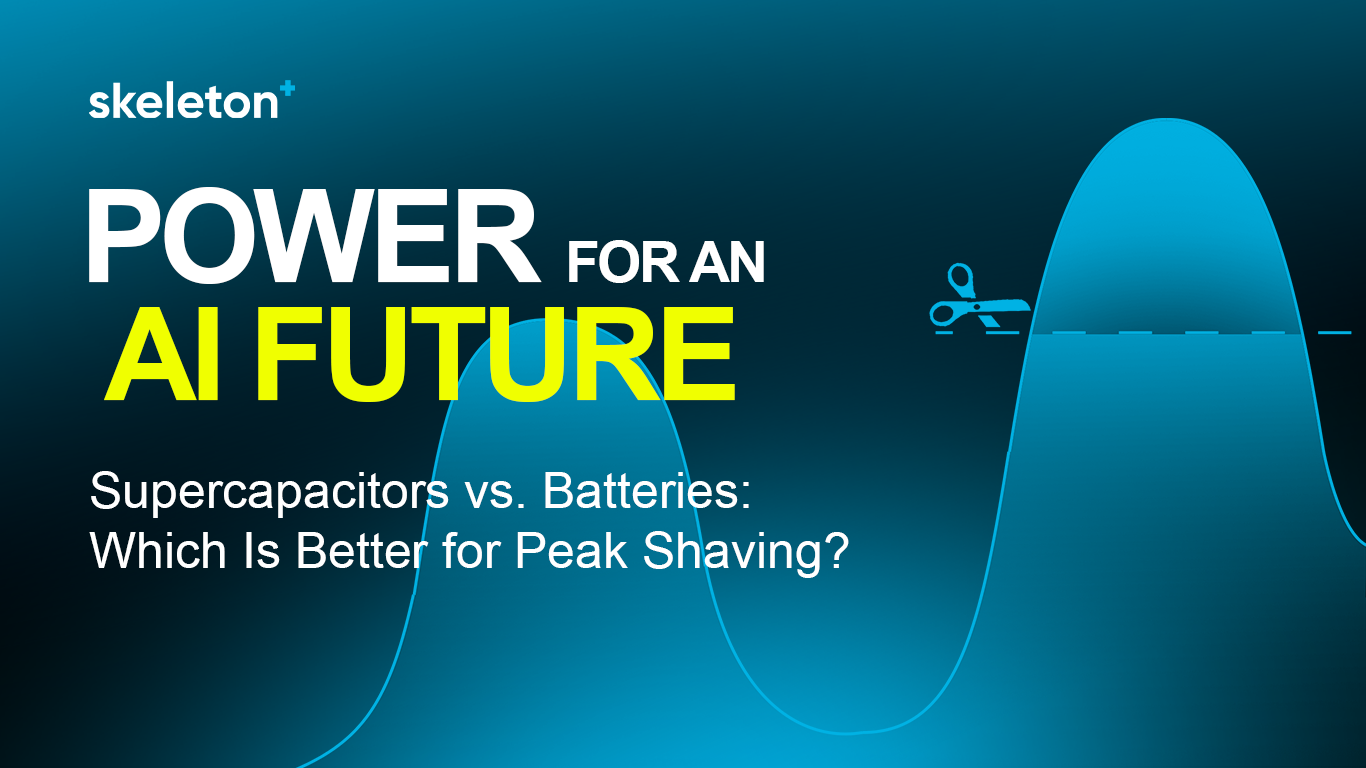
Here is another short primer about supercapacitors and batteries


BTW, just found this gem of a thread where everyone was discussing claims of 500 Wh/kg battery


Cautionary tale: 3 years later I don't think they've found their way in any commercial car or motorcycle. Could be a lot of reasons: high price, hard to scale up production, poor longevity, low power density... They're now ailed at drones and light aircrafts. Unclear if they're used in any commercially available vehicle.

 
Cautionary tale: 3 years later I don't think they've found their way in any commercial car or motorcycle. Could be a lot of reasons: high price, hard to scale up production, poor longevity, low power density... They're now ailed at drones and light aircrafts. Unclear if they're used in any commercially available vehicle.

That's the point I think: this time the vehicle that uses the revolutionary battery exists, you can order it and the delivery is expected to happen some months from now.
 
Here is another short primer about supercapacitors and batteries


BTW, just found this gem of a thread where everyone was discussing claims of 500 Wh/kg battery


Cautionary tale: 3 years later I don't think they've found their way in any commercial car or motorcycle. Could be a lot of reasons: high price, hard to scale up production, poor longevity, low power density... They're now ailed at drones and light aircrafts. Unclear if they're used in any commercially available vehicle.
There have been quite some novel engine designs being pulled out of history to power drones.
A lott of engine types have many pro's like good fuel economy, near perfect balance, lightweight, few moving parts, very cheap etc etc. Almost all suffer from longevity issues. But when the object you're powering is a kamakaze drone nobody cares.
Same could be true for the battery mentioned above. Who cares if you only get 5 recharge cycles when you need exactly 1. However swapping 1kg of battery for 1kg of explosives is something those people really care about.
 
Back
Top